

Buying your first crossbow can feel overwhelming. If you’re wondering how to choose a crossbow, speed ratings, limb types, draw weights, and accessories can quickly bury you in specs before you understand what they mean.
The good news? Choosing the right crossbow is much simpler than most marketing makes it seem.
The key is matching the crossbow to:
- Your experience level
- Your intended use
- Your comfort and strength
- Your realistic budget
This guide walks you step-by-step through everything beginners should understand before buying.
Table of Contents
Step 1: Decide What You’ll Actually Use It For
Before looking at models, decide how you’ll realistically use your crossbow.
This single decision affects everything else.
Recreational / Target Shooting
If you’re planning to shoot at targets for fun or practice:
- You do not need extreme speed
- You do not need the most expensive model
- Comfort and ease of use matter most
Occasional Hunting
If you plan to hunt occasionally:
- You’ll need sufficient power for ethical performance
- Accuracy and reliability become more important
- You may want a slightly higher speed range
If hunting is your goal, compare models specifically suited for that purpose in our guide to
→ Best Crossbows for Hunting
Serious Hunting Use
If hunting is your primary goal:
- Durability matters
- Compact design can help in the field
- You’ll want consistent performance at realistic distances
Performance / Advanced Shooting
If you’re chasing maximum performance:
- Speed and engineering matter more
- Budget typically increases
- Experience becomes essential
Most beginners overestimate what they need. Start with a crossbow that’s manageable, not extreme.
Step 2: Understand the Two Main Crossbow Types
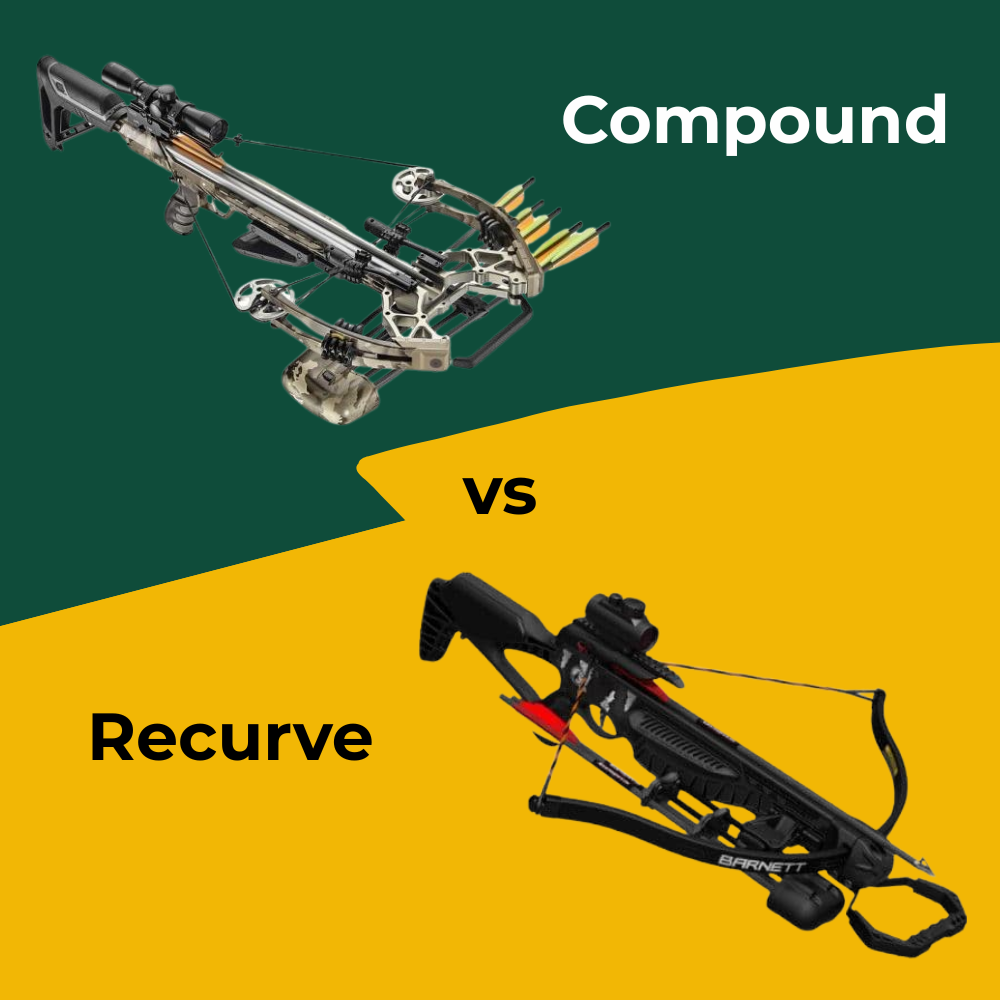
There are two primary designs: compound and recurve.
Understanding the difference helps prevent confusion later.
Compound Crossbows
Compound crossbows use a system of cams and cables to generate power.
Advantages
- Faster arrow speeds
- More compact limb design
- Often quieter
- Typically lighter front-to-back
Trade-offs
- More complex mechanically
- Slightly more maintenance
- Usually more expensive
Most modern crossbows are compound models because they balance power and compact design well.
Recurve Crossbows
Recurve crossbows use simpler limbs without cams or pulleys.
Advantages
- Fewer moving parts
- Easier to maintain
- Often more affordable
- Durable and straightforward
Trade-offs
- Slightly wider design
- Usually lower top-end speed
- Can feel less compact
For beginners who value simplicity and easy maintenance, recurve models are often appealing. If you’re unsure which design fits your needs, read our full comparison here:
→ Recurve vs Compound Crossbows
Step 3: Don’t Obsess Over Speed (FPS)
Speed (measured in feet per second) is the most marketed feature — and the most misunderstood.
It’s easy to assume:
Faster = Better
But that’s not always true.
What Speed Actually Means
Higher speed:
- Flattens trajectory
- Increases energy on impact
- Reduces need for range compensation
However, it often comes with:
- Higher draw weight
- Increased vibration
- Louder shots
- Higher cost
What Most Beginners Actually Need
As a general guideline:
- 330–370 FPS → Ideal for practice and recreational use
- 370–420 FPS → More than enough for most hunting
- 420+ FPS → Usually for experienced users
For many new shooters, accuracy and consistency matter far more than extreme speed.
If you want to see real-world speed comparisons across categories, explore:
→ Best Crossbows Overall
Step 4: Consider Draw Weight & Cocking Effort
Draw weight determines how much force is required to cock the crossbow. Higher draw weight generally means more stored energy — but also more effort.
Why This Matters for Beginners
If cocking feels:
- Strenuous
- Unstable
- Intimidating
You’re less likely to enjoy using your crossbow.
Comfort and confidence matter more than raw power.
Cocking Options
Many crossbows include or support:
- Rope cocking aids (reduce effort significantly)
- Crank cocking devices (even easier, but add cost)

Beginners should strongly consider using a cocking aid for safety and consistency. If you’re unsure which add-ons are essential, see:
→ Must-Have Crossbow Accessories
Step 5: Weight, Size & Balance
Crossbows vary significantly in size and weight.
Overall Weight
Heavier crossbows:
- Feel stable during shooting
- May reduce vibration
- Can be tiring during long sessions
Lighter crossbows:
- Easier to carry
- More comfortable for extended use
- May feel slightly less planted
Balance
Balance often matters more than total weight.
A front-heavy crossbow can:
- Feel awkward
- Increase fatigue
- Affect aim stability
When comparing models, consider overall ergonomics — not just specs.
Step 6: Set a Realistic Budget
Crossbows span a wide price range.
Under $500
- Good beginner and recreational options
- Solid performance
- Fewer premium features
To compare proven budget-friendly models, see:
→ Best Crossbows Under $500
$500–$1,000
- Excellent balance of power and refinement
- Better triggers and materials
- Ideal for most serious users
$1,000+
- Premium engineering
- Advanced compact designs
- High-speed performance
Beginners rarely need premium-tier models. Spending smart beats overspending.
Step 7: Plan for Essential Accessories
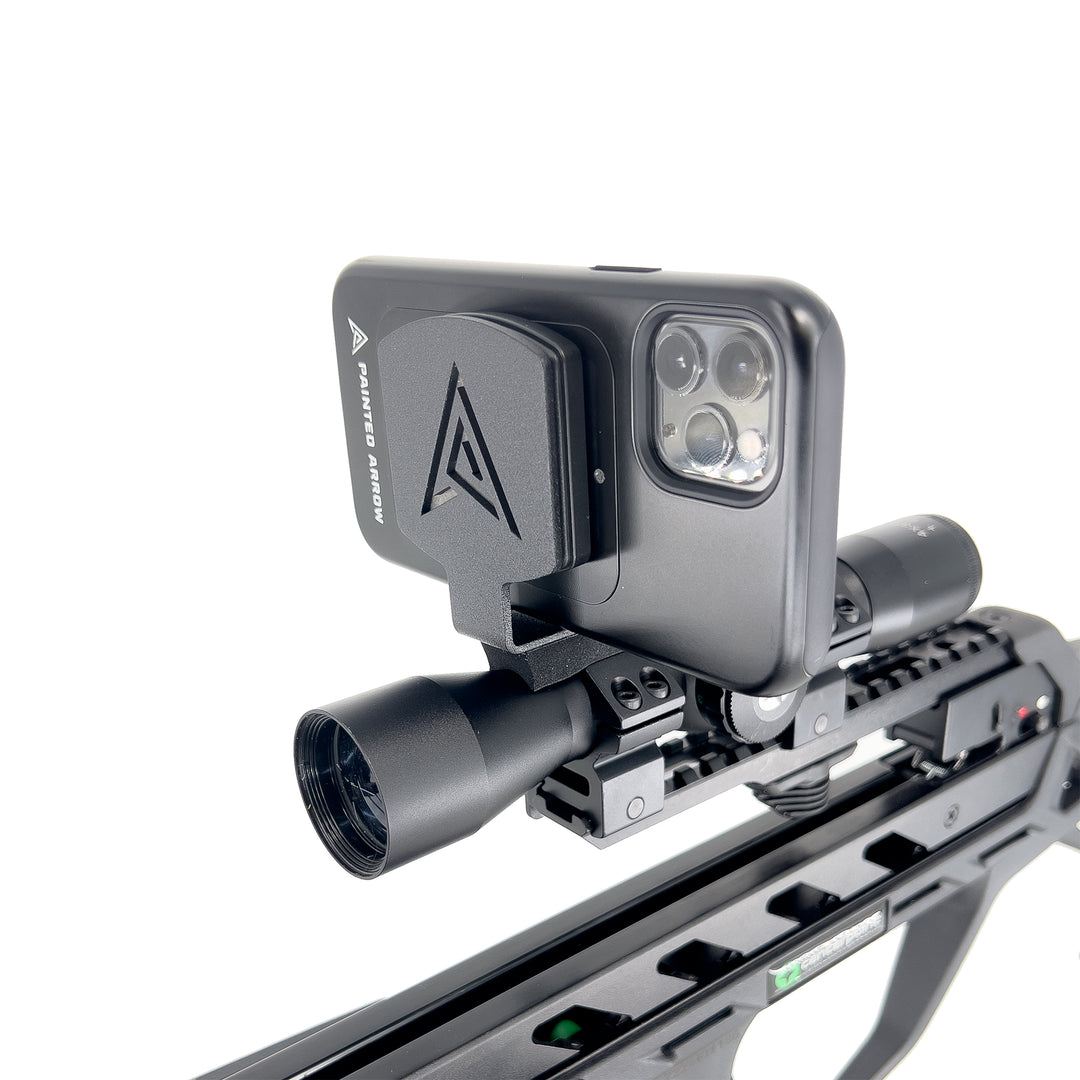
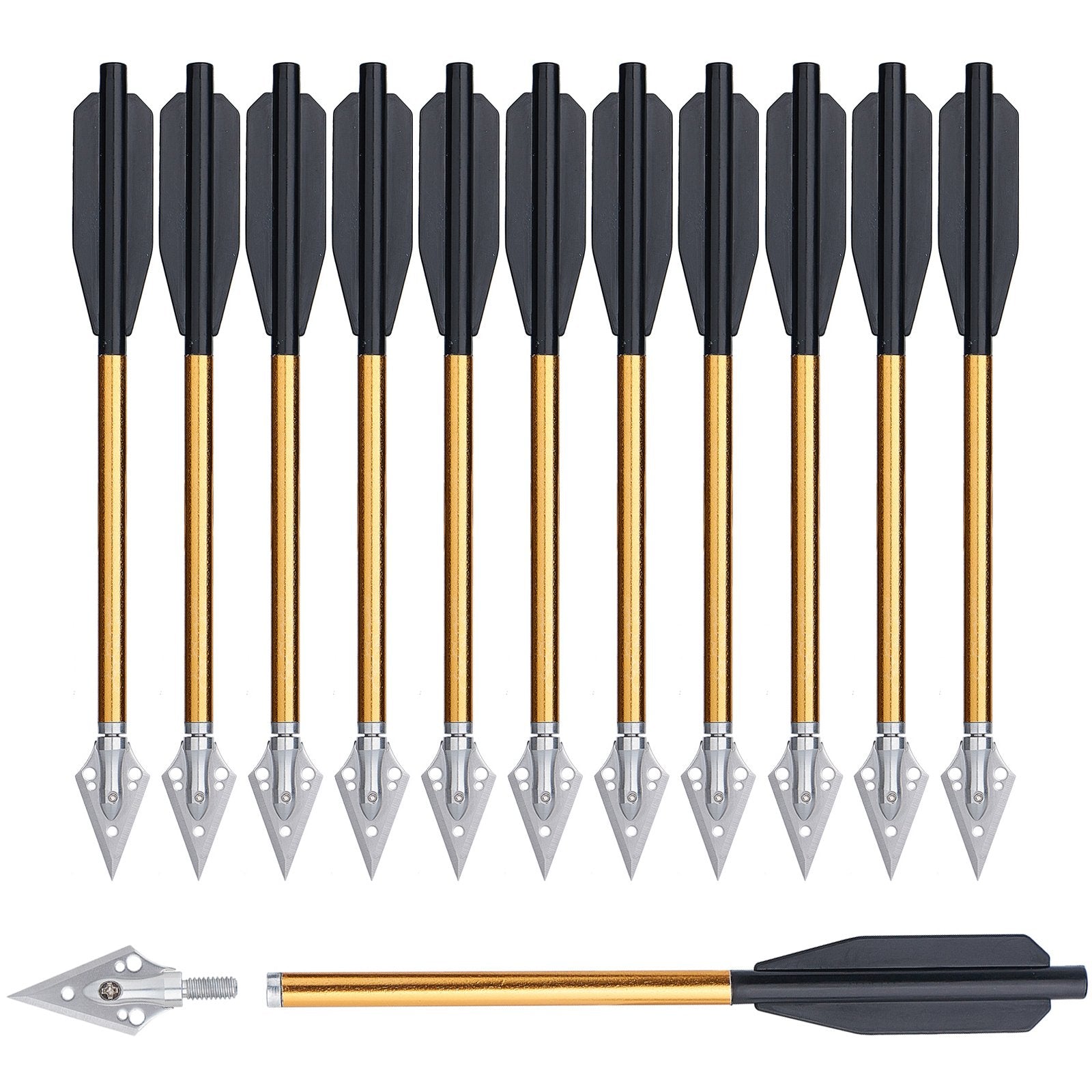

Many first-time buyers forget that accessories affect performance.
At minimum, plan for:
1. Scope
Most crossbows include a scope, but quality varies.
If you plan to upgrade, explore:
→ Best Crossbow Scopes
2. Bolts (Arrows)
Bolts must match your crossbow’s specifications. Using the wrong type can affect safety and performance.
See our breakdown here:
→ Best Crossbow Bolts & Arrows
3. Cocking Aid
Highly recommended for beginners.
4. Basic Maintenance Items
- String wax
- Rail lubricant
Accessories aren’t glamorous — but they’re important.
Step 8: Check Laws & Regulations
Crossbow regulations vary depending on location and intended use. Before purchasing or hunting, confirm local ownership laws and seasonal restrictions. Many regions follow guidance aligned with organisations such as the International Hunter Education Association, which promotes responsible hunting education and safety standards worldwide.
Before buying, confirm:
- Legal ownership in your area
- Hunting regulations (if applicable)
- Transport requirements
For an overview, visit:
→ Are Crossbows Legal?
Always verify local rules before using your crossbow.
Common Beginner Mistakes
Understanding what not to do can save money and frustration.
Buying the Fastest Model Available
Speed is impressive — but not always practical.
Ignoring Cocking Difficulty
If it’s uncomfortable, you won’t use it consistently.
Choosing Based on Brand Hype Alone
Focus on fit and needs, not marketing.
Skipping Safety Education
Proper handling is essential from day one.
A Simple Beginner Checklist
If you want a quick filter when comparing models, look for:
- Moderate speed (not extreme)
- Manageable draw weight
- Comfortable balance
- Strong safety features
- Good value for price
That combination is safer than chasing maximum specs.
Where to Go Next
Now that you understand the fundamentals, you can move forward confidently.
If you want curated recommendations:
→ Explore the best crossbows overall
If you want beginner-specific picks:
→ See the best crossbows for beginners
Both options will make far more sense now that you understand what to look for.
Final Thoughts
Choosing a crossbow doesn’t have to be complicated.
Focus on:
- Intended use
- Comfort and control
- Realistic performance needs
- Budget alignment
Ignore hype, avoid extremes, and choose a model that fits your experience level.
That’s how beginners make smart, confident decisions.
Frequently Asked Questions About How To Choose a Crossbow
What is the best crossbow for a complete beginner?
The best crossbow for a beginner is one that prioritises ease of use, manageable draw weight, and predictable accuracy over extreme speed.
Beginners generally benefit from:
- Mid-range speed (not ultra-fast models)
- Simple, reliable design
- Comfortable cocking system
- Clear safety mechanisms
Starting with a controllable, forgiving crossbow builds confidence and makes learning more enjoyable.
How much should a beginner spend on a crossbow?
Most beginners can find a solid, reliable crossbow in the under $500 to $800 range.
Spending more may provide:
- Better materials
- More compact designs
- Smoother triggers
However, premium models are rarely necessary for someone just starting out. A well-chosen mid-range crossbow is usually more than sufficient.
Is a compound crossbow better than a recurve for beginners?
Not necessarily.
- Compound crossbows are typically faster and more compact.
- Recurve crossbows are simpler and often easier to maintain.
Beginners who value simplicity may prefer recurve models. Those who want a more modern design and compact size may prefer compound models. The right choice depends on personal preference and comfort.
How much FPS do I really need?
For most beginners:
- 330–370 FPS is more than enough.
- 370–420 FPS covers nearly all practical uses.
Anything beyond that is usually unnecessary for new shooters and may increase cost and complexity without adding meaningful benefits.
Are crossbows hard to cock?
They can be — but most modern crossbows are designed to be manageable with proper tools.
Using a rope cocking aid significantly reduces effort.
Some models support crank cocking devices, which make the process even easier.
Beginners should not hesitate to use cocking aids — they improve both safety and consistency.
Are crossbows safe for beginners?
Yes — when used properly.
Modern crossbows include multiple safety features, but beginners must:
- Follow manufacturer instructions
- Use proper cocking technique
- Avoid dry firing (shooting without a bolt)
- Store equipment responsibly
Safety education is just as important as choosing the right model.
What weight crossbow should I choose?
There is no single “ideal” weight, but beginners should consider:
- A crossbow that feels stable but not overly heavy
- Comfortable balance between front and rear
- Manageable carry weight if using outdoors
Balance often matters more than total weight.
Do I need special arrows (bolts)?
Yes.
Crossbows require bolts specifically designed for crossbow use. Using the wrong bolts can reduce accuracy and potentially damage the equipment.
Always match:
- Bolt length
- Bolt weight
- Manufacturer recommendations
What accessories do I need right away?
At minimum, most beginners should consider:
- A reliable scope (often included)
- Proper bolts
- A cocking aid
- Basic maintenance supplies (string wax, lubricant)
Additional accessories can improve comfort but aren’t mandatory on day one.
Can beginners hunt with a crossbow?
Yes, in regions where it is legal.
However, beginners should:
- Understand local hunting regulations
- Practice extensively before hunting
- Choose a crossbow with sufficient power for ethical use
Preparation and education are essential.
How long does it take to learn to use a crossbow?
Most beginners can learn basic operation in a short period of time. However, becoming accurate and consistent requires practice.
Key learning areas include:
- Proper cocking technique
- Safe handling
- Distance estimation
- Shot placement
Patience and repetition matter more than equipment complexity.
What is the biggest mistake beginners make?
The most common mistake is buying based purely on speed and marketing claims.
Many beginners assume faster equals better — but a manageable, balanced crossbow almost always delivers a better experience.
Choosing comfort and control over hype leads to smarter long-term decisions.